
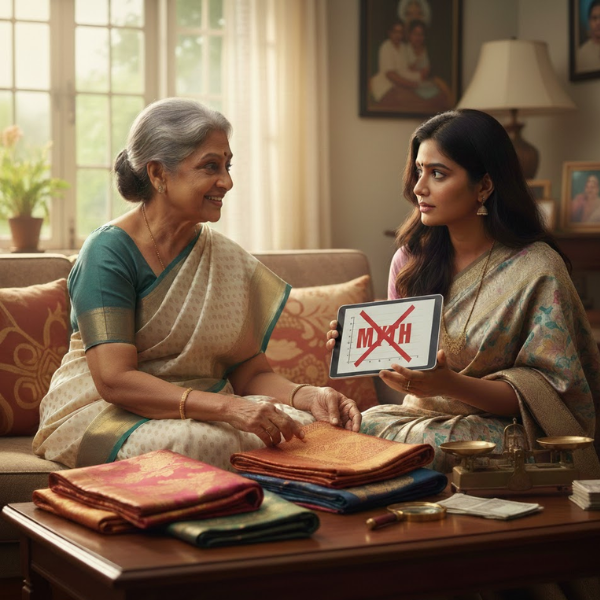
Old silk sarees are more than just garments they’re woven with memories, traditions, and craftsmanship passed down through generations. Yet, when it comes to selling old silk sarees, many people hesitate because of long-standing myths. These misconceptions often prevent saree owners from unlocking the real value of their treasured weaves.
Let’s break down the most common myths about selling old silk sarees and uncover the truth behind them.
Why So Many Myths Exist Around Old Silk Sarees
Silk sarees are emotionally valuable, and misinformation spreads easily when emotions and tradition are involved. From pricing fears to trust issues, myths can make the process seem risky or disrespectful to heritage when in reality, it can be both respectful and rewarding.
Myth 1: Old or Worn Silk Sarees Have No Value
Truth: Pure Silk Retains Value for Years
One of the biggest myths is that once a silk saree is worn or aged, it becomes worthless. The truth is, pure silk never loses its core value. The worth of a silk saree depends on factors like:
- Silk purity
- Weight of zari and silk
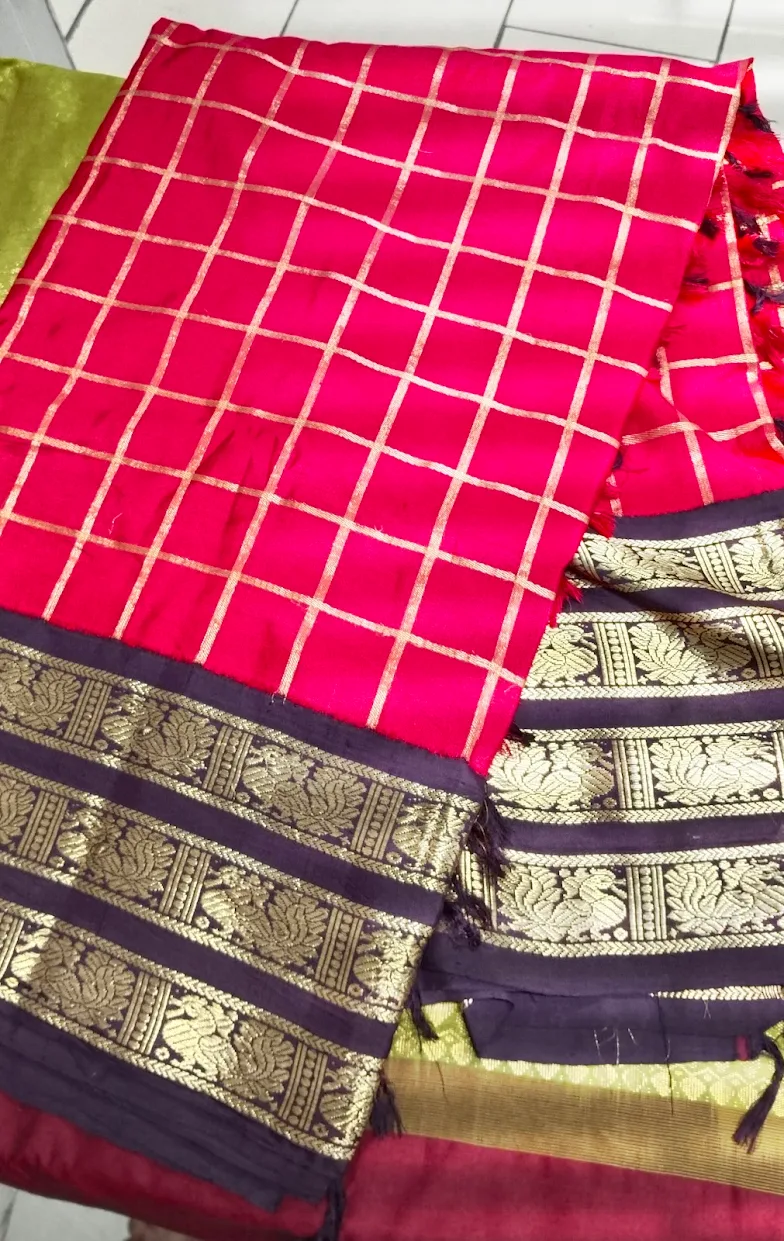
- Type of weave (Kanchipuram, Mysore, Banarasi, etc.)
Even sarees with minor wear, fading, or old designs can still fetch excellent value when evaluated by experts.
Myth 2: Only Brand-New Silk Sarees Can Be Sold
Truth: Vintage and Used Sarees Are Highly Accepted
Many people believe buyers only accept unused sarees. In reality, gently worn, bridal, and even decades-old sarees are commonly sold. Some vintage silk sarees are especially valued due to their craftsmanship and heavier silk content, which is rarely found in modern weaves.
Myth 3: Selling Silk Sarees Is Complicated and Time-Consuming
Truth: The Process Is Simple and Convenient
Gone are the days of visiting multiple shops and negotiating endlessly. Reputed buyers now offer:
- Photo evaluation via WhatsApp
- Doorstep pickup
- Instant payment
This makes selling old silk sarees a smooth and stress-free experience, especially for busy households or senior family members.
Myth 4: Buyers Will Cheat or Underpay
Truth: Trusted Buyers Offer Transparent Valuation
Fear of being underpaid is common and understandable. However, established buyers with years of experience follow transparent pricing based on silk weight, zari content, and current market rates.
For instance, Venkateshwara Old Silk Saree Buyer has built trust over the years by focusing on honest evaluation, clear communication, and immediate payments. Working with experienced professionals significantly reduces the risk of unfair deals.
Myth 5: Selling Old Silk Sarees Is Disrespectful to Tradition
Truth: It’s a Sustainable Way to Honor Heritage
Selling old silk sarees doesn’t mean discarding memories. In fact, it’s a sustainable practice that:
- Prevents precious silk from going to waste
- Encourages reuse and recycling
- Helps families convert unused heirlooms into financial value
Many sellers choose to reinvest the money into new sarees, jewelry, or meaningful family needs keeping tradition alive in a modern way.
Myth 6: All Silk Sarees Are Valued the Same
Truth: Each Saree Is Evaluated Individually
Not all silk sarees carry the same value. Pricing depends on:
- Type of silk (Kanchipuram, Mysore, Banarasi, etc.)
- Zari quality
- Overall condition
Professional buyers assess each saree individually, ensuring you receive a price that reflects its true worth rather than a flat estimate.
A Smarter Perspective on Selling Old Silk Sarees
Understanding the truth behind these myths empowers you to make confident decisions. Selling old silk sarees can be respectful, transparent, and financially rewarding when done through trusted experts who value both craftsmanship and customer trust.
Whether you’re clearing unused sarees or passing on heirloom pieces responsibly, choosing the right buyer makes all the difference ensuring your silk gets a meaningful second life rather than staying forgotten in a cupboard.