

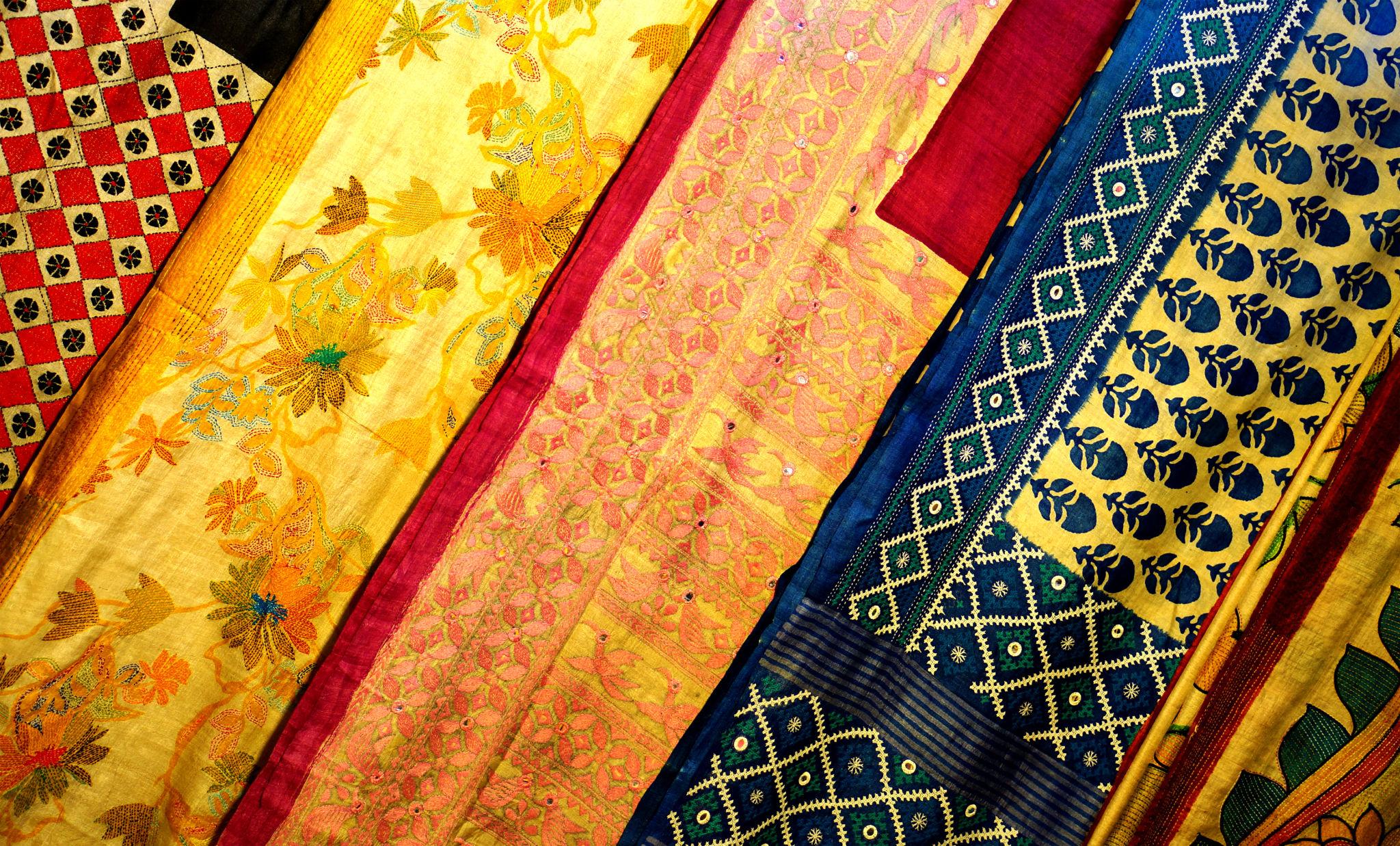
Silk sarees are not just garments they are valuable assets that carry tradition, craftsmanship, and even monetary worth. In a city like Bangalore, where cultural heritage meets modern living, many households own silk sarees that are rarely used but still hold significant value. If you are planning to sell your sarees, understanding the factors that determine their price is essential.
The resale value of second-hand sarees can vary widely depending on multiple elements such as fabric quality, zari content, condition, and design. This guide explains the key factors that influence how much your saree is worth in the Bangalore market.
1. Type of Fabric
One of the most important factors affecting the price is the type of fabric used in the saree.
Pure silk sarees especially Kanchipuram, Banarasi, and Mysore silk tend to fetch higher prices compared to cotton or synthetic materials. These sarees are known for their durability and traditional value. In fact, premium silk sarees are often considered long-term assets due to their craftsmanship and material quality.
Sarees made from blended or artificial fabrics usually have lower resale value because they lack the richness and durability of pure silk.
2. Zari Quality and Quantity
Zari work plays a major role in determining the price of second-hand sarees. Zari is made from metallic threads, often containing silver or gold, which significantly increases the saree’s value.
- Sarees with pure gold or silver zari fetch higher prices
- Heavier zari work means higher resale value
- Minimal or artificial zari reduces the price
Buyers often calculate value based on the amount and quality of zari used in borders, pallu, and body designs.
Additionally, sarees with genuine gold zari are in high demand because of their precious metal content, making them more valuable in the resale market.
3. Condition of the Saree
The condition of the saree is another crucial factor.
- Well-maintained sarees fetch higher prices
- Torn, faded, or stained sarees may reduce value
- Slight wear is acceptable if zari and silk quality are intact
Even damaged sarees can still hold value because of their silk and zari content, but the final price will depend on how much of the material is reusable.
4. Design and Craftsmanship
Intricate designs and traditional weaving styles can significantly increase the value of a saree.
- Handwoven sarees are more valuable than machine-made ones
- Detailed motifs and butta work add to the price
- Unique or vintage designs are often priced higher
The number of design elements, such as buttas and border width, also contributes to valuation. Sarees with elaborate patterns and craftsmanship are considered premium pieces.
5. Brand or Origin
The origin of the saree also plays an important role in pricing.
Certain types of sarees are known for their heritage and quality, including:
- Kanchipuram silk
- Banarasi silk
- Mysore silk
- Patola and Pochampally
These sarees have strong market demand and are often valued higher due to their reputation and authenticity.
6. Weight of the Saree
Many people are unaware that the weight of a saree also influences its price.
Heavier sarees usually contain more silk and zari, which increases their resale value. Buyers often consider weight along with zari content to estimate the final price.
7. Age and Rarity
Interestingly, older sarees can sometimes be more valuable than newer ones.
- Vintage sarees with real zari may have higher resale value
- Rare designs or discontinued patterns attract collectors
- Heirloom sarees often hold premium value
In some cases, older sarees made with real gold zari can fetch better prices than modern versions.
8. Market Demand in Bangalore
The local demand in Bangalore also affects saree pricing.
- Wedding seasons increase demand for silk sarees
- Traditional sarees are always in demand in cultural areas
- Designer and antique sarees attract niche buyers
On average, second-hand silk sarees in Bangalore can range between ₹1,500 to ₹8,000 or more, depending on quality and condition.
9. Size and Saree Structure
The size and structure of the saree such as border width, pallu design, and overall length also influence pricing.
- Double-sided borders increase value
- Heavy pallu designs add to the price
- Larger sarees with more material fetch better offers
These elements contribute to the overall material value and aesthetic appeal.
10. Type of Buyer
The final price can also depend on who you sell to.
- Old saree buyers focus on silk and zari value
- Resellers focus on resale potential
- Direct buyers usually offer instant payment
Choosing the right buyer can make a noticeable difference in the price you receive.
Venkateshwara Old Silk Saree Buyer – Trusted Experts in Bangalore
If you are looking to get the best price for your sarees, Venkateshwara Old Silk Saree Buyer is a reliable choice in Bengaluru.
We are helping customers turn their cherished weaves into lasting value. Based in Bengaluru, we specialize in buying all types of traditional silk sarees including Kanchipuram, Banarasi, Mysore, Arani, Dharmavaram, Patola, and Pochampally.
With deep expertise in silk and zari evaluation, we ensure:
- Accurate and transparent pricing
- Doorstep evaluation services
- Instant payment
- Professional and hassle-free transactions
Our goal is to provide customers with a seamless experience while preserving the value of traditional sarees.
Tips to Get the Best Price for Your Sarees
To maximize your returns, keep these tips in mind:
- Store sarees properly to maintain quality
- Avoid washing silk before selling
- Separate pure silk sarees from others
- Provide details about saree origin if known
- Compare offers from multiple buyers
These simple steps can help you secure a better deal.
Conclusion
The price of second-hand sarees in Bangalore is determined by a combination of factors including fabric type, zari quality, condition, design, and market demand. Understanding these elements helps you make informed decisions and ensures you get the best value for your sarees.
Whether you own a single heirloom piece or a collection of silk sarees, choosing a trusted buyer and knowing what affects pricing can make the selling process smooth and rewarding.
Instead of letting your sarees sit unused, you can turn them into meaningful financial value while preserving the legacy of traditional craftsmanship.